One leading children’s doctor says the current flu outbreak is the most severe she has ever experienced
All you need to know as flu cases treble in two weeks in Northern Ireland
- Flu cases among adults and children across Northern Ireland have more than trebled in the past fortnight, according to official figures. The Public Health Agency has reported a rise from 273 to 484 confirmed cases in the week ending November 23, according to its respiratory surveillance report. That figure has since rocketed to 954 cases in the past week up to November 30. Children have been particularly affected with those aged under 5 being admitted to hospital with flu at higher rates than any other age group. Last year 862 children and young people, and 3,158 people aged 18 and over, were hospitalised with influenza in Northern Ireland. Of those 2,922 were an emergency hospital admission.
- The current picture has prompted a leading children’s doctor to say that the current flu outbreak in Northern Ireland is the most severe she has ever experienced. Dr Julie-Ann Maney, an Emergency Consultant at the Royal Belfast Hospital for Sick Children, says the ED is extremely busy as a result of the rise in cases. “I have been a consultant since 2010 and this is the most severe influenza outbreak that I have experienced,” she told the BBC. “This is a particularly virulent strain of influenza and there are lots of children experiencing very high temperatures and they are experiencing the flu for much longer than we would expect.”
- Flu is an illness caused by the influenza virus. It occurs every year, usually in winter. It is important that you protect yourself and others from flu by helping to prevent the spread of the virus and getting the flu vaccine if you are eligible. The symptoms of flu include: fever (typically 38 to 40°C) – this tends to be more severe in children, fatigue/ unusual tiredness, headache, runny nose, sore throat, shortness of breath or a cough, loss of appetite, aching muscles, vomiting or diarrhoea, sensitivity to light, insomnia, and a dry, unproductive cough. Flu symptoms usually peak after two or three days. You should begin to feel much better within five to eight days. However, older people, or those with certain medical conditions, may develop complications that can lead to serious illness and can be life-threatening.
- Cold and flu symptoms are similar, but flu tends to be more severe. Cold symptoms: appear gradually, affects mainly your nose and throat, makes you feel unwell, but you’re OK to carry on as normal (for example, go to work). Flu symptoms: appear quickly within a few hours, affect more than just your nose and throat, makes you feel exhausted and too unwell to carry on as normal
- For most people, flu is a mild illness that can be treated at home with rest, drinking plenty of fluids and taking medicine, such as paracetamol(external link opens in a new window / tab), as directed to control the symptoms. If you have a high temperature and difficulty breathing, if your symptoms are getting worse over time, or you haven’t improved after a week, you should contact your GP or the GP out of hours service. You should not go to an emergency department unless it is urgent and essential.
- Consider visiting your GP if: you’re 65 years of age or over, you’re pregnant, you have a long-term medical condition – such as diabetes, lung disease, kidney disease or a neurological disease, you have a weakened immune system – for example, because you’re having chemotherapy or have HIV, you develop chest pain, shortness of breath or difficulty breathing, or start coughing up blood, your symptoms are getting worse over time, or haven’t improved after a week. In these situations, you may need medication to treat or prevent complications of flu. Your doctor may recommend taking antiviral medicine to reduce your symptoms and help you recover more quickly.
- How flu is spread? The flu virus is spread in the small droplets of saliva coughed or sneezed into the air by an infected person. If you inhale these droplets, you may become infected. Flu can also spread if someone infected with the virus touches: common surfaces such as door handles with unwashed hands, the hand of someone else without washing their hands first
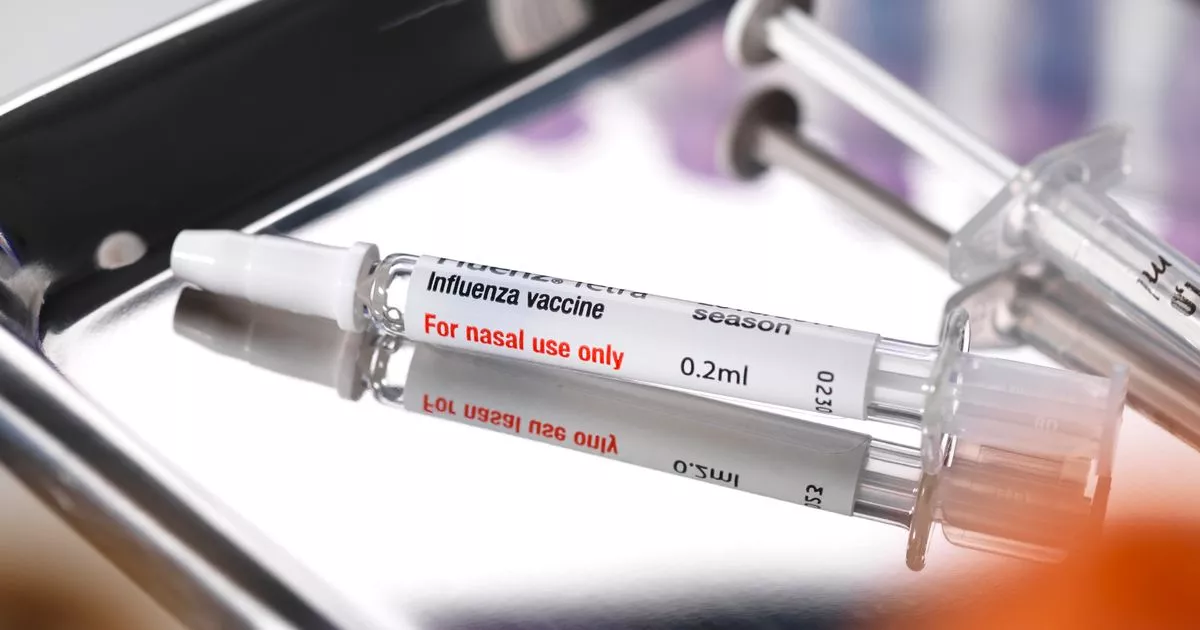
- How can I vaccinate my child against flu? In Northern Ireland, all pre-school children, and primary school aged children from primary one to year 12, are eligible for the free flu vaccine, which is given as a simple nasal spray. Trust school nursing teams are currently delivering the free nasal flu vaccination programme to primary and secondary school children (up to year 12) across Northern Ireland. Parents/ guardians should check schoolbags for flu vaccine consent forms, and sign and return them before the school nurses visit their child’s school to help make sure they don’t miss out. Getting the vaccine when it’s offered at school means children can start benefitting from the protection it offers without delay. It’s also very convenient, as it just requires the form to be signed and sent back in time. If an eligible child misses the offer of vaccination in school, parents/ guardians can make arrangements with their GP to get it. In addition, pre-school children will receive the vaccine via their GP practice, so if you have not already heard from your GP practice, contact them to find out what their vaccination arrangements are.
READ THE FULL STORY about the number of children being affected this year and what Dr Julie-Ann Maney said, by clicking here.
For all the latest news, visit the Belfast Live homepage here and sign up to our daily newsletter here.
#Northern #Ireland #flu #cases #treble #weeks #symptoms #key
