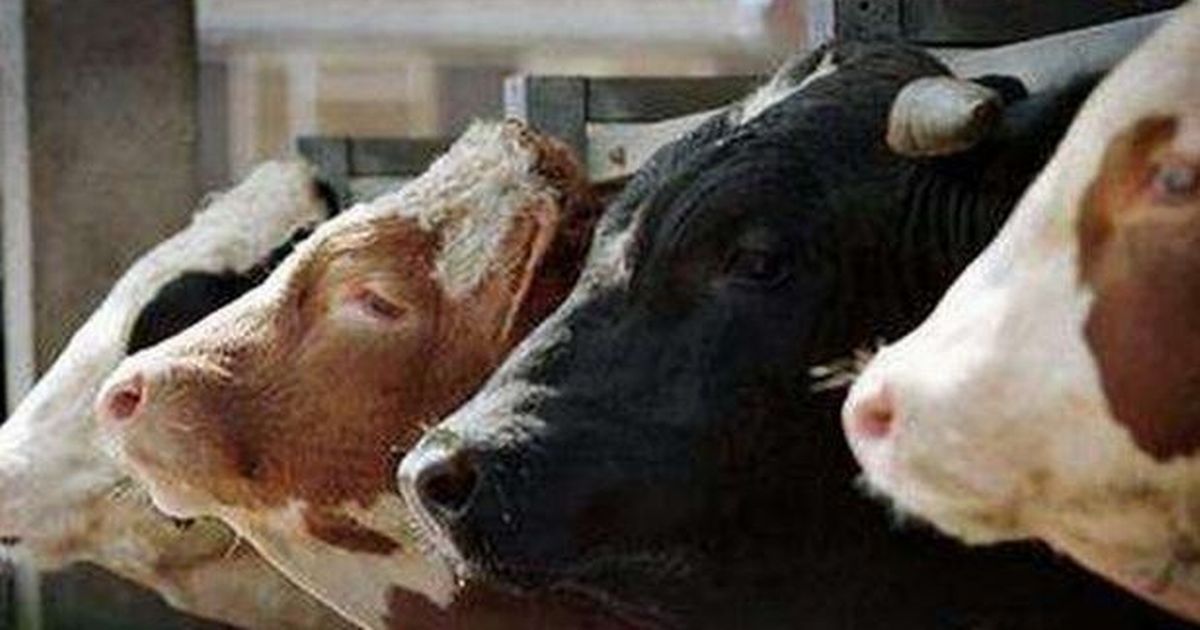
A 20Km temporary control zone has been put in place banning the movement of susceptible species
A 20km temporary control zone has been put in place following reports of suspected Bluetongue in two cows in Bangor.
DAERA vets are currently investigating reports of the disease and have put a TCZ in place from 9pm on November 29, that stops the movement of susceptible species, which include cattle, sheep, goats, deer and llamas/alpacas.
The condition, which is spread by biting midges, does not pose a risk to humans or food safety but can impact on animals infected and trade.
READ MORE: NI council lobby for UFU labelled a ‘Christmas charade’READ MORE: This is the council area with the noisiest neighbours in Northern Ireland
DAERA Minister Andrew Muir said while the suspect cases are of great concern, it is essential all producers impacted by the control measures play their part in limiting the potential for further spread of the disease.
Minister Muir said: “While there was always a potential for Bluetongue to arrive here, given its prevalence in GB and the EU, we must now do all we can to protect our livestock and limit the spread of the disease.
That is why, as a result of the Disease Control Framework for the virus we launched in June, DAERA has moved rapidly to ensure disease control measures are put in place. Members of the public should be reassured the virus does not have any impact on people or food safety.
In the face of these suspected cases, my officials are taking all the necessary steps to protect the agri-food industry. I urge everyone in the industry to play their part as well and especially appeal to those in the Temporary Control Zone to follow the restrictions.
My department is working closely with all stakeholders, including colleagues in GB and the Republic of Ireland, to monitor the situation.”
Bluetongue is primarily transmitted through biting midges and affects cattle and sheep as well as goats, deer, llamas and alpacas. Biting midges are most active from April to November and the potential for spread depends on climatic conditions and wind patterns with lower temperatures significantly reducing the risk.
The Chief Veterinary Officer, Brian Dooher said: “Bluetongue virus is unpredictable and can spread rapidly through and between flocks and herds. Colleagues have been preparing for a possible incursion of this disease and have been working closely with our colleagues in the Republic of Ireland to ensure a co-ordinated response in tackling any incursion.
“I would urge all farmers to ensure they source their animals responsibly. The spread of Bluetongue could have a significant impact on livestock and the rural economy. Furthermore, all livestock owners should remain vigilant for signs of the disease. It is imperative that keepers report any symptoms immediately to their vet, local Divisional Veterinary Office or to the DAERA helpline on 0300 200 7840.”
For all the latest news, visit the Belfast Live homepage here and sign up to our daily newsletter.
#Warning #suspected #Bluetongue #virus #cows
